APJ Abdul Kalam Technological University
October 3, 2026

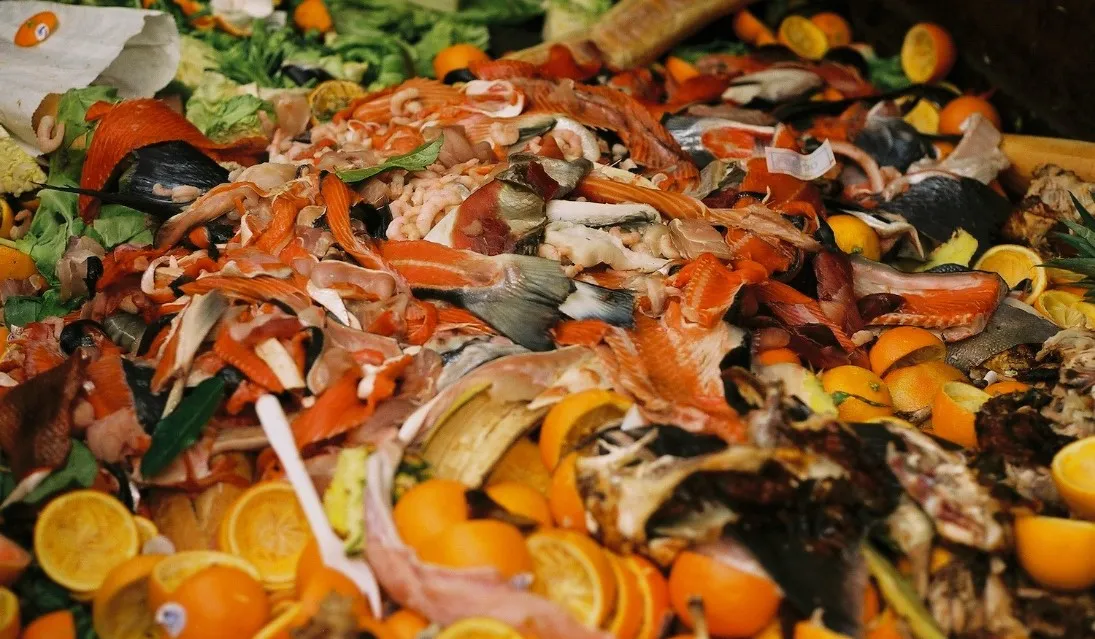
Seattle Public Utilities (SPU) is attempting to combat food waste and reduce hunger in the city of Seattle. Through their ongoing projects including the Food Rescue Innovation Program and the Pacific Coast Food Waste Commitment, they are working to make Seattle food systems more resilient.
SPU manages sewer, drainage, and waste collection services for residents and businesses in Seattle. Their focus on waste management places them in a position to help both nonprofits and food businesses create lasting change through the Food Rescue Innovation Program (FRIP).
FRIP convenes grocery retailers, hunger relief organizations, and local businesses to reduce food loss and waste in Seattle. “Seattle public utilities are looking for solutions that have systemic impacts.” Liz Fikejs, Senior Waste Prevention Program Manager for SPU, tells Food Tank. “The lack of standardization causes confusion and waste.”
One of the Program’s most recent pilot projects is the Food Rescue Bin, which places uniform, durable food donation bins in food retail sites. “By using a single identifiable bin, the quality and quantity of the food increased,” Fikejs says. The bins also improved grocery associate awareness, which led to behavior change among grocery store employees and greater staff engagement around food donations, she adds.
SPU is also working to improve food waste reduction through private sector engagement with the Pacific Coast Food Waste Commitment (PCFWC). One of the largest public-private partnerships dedicated to the cause, the PCFWC is a voluntary agreement that businesses can sign onto, with the goal of halving food waste by 2030. Engagement allows for the measurement of a brand’s progress around food loss and waste.
The Commitment tries to leverage the power of supply chains through data collection tools that are built specific to the retail industry. In addition to data collection, “Seattle Public Utilities has put together working groups to continue identifying hotspots and pain points that could potentially establish pilot programs in the future,” Fikejs tells Food Tank.
The PCFWC also looks to improve food rescue systems. While Fikejs explains that food rescue operations typically lie with nonprofit organizations, when these operations don’t work “food goes to all the wrong places.”
The goal is to understand what barriers might be holding back solutions to food systems issues. Both the FRIP and PCFWC programs connect food donors and hunger relief organizations to assess grocery food rescue standards and identify key areas for measurement and on-going tracking.
“These are just best practices that anyone in the country can use but it’s using them consistently and across entire cities that makes them effective,” Fikejs tells Food Tank. “One size does not fit all, but we are learning what works and how we can adapt to other grocery retailers.”
Articles like the one you just read are made possible through the generosity of Food Tank members. Can we please count on you to be part of our growing movement? Become a member today by clicking here.

October 3, 2026

October 3, 2026
October 3, 2026

October 3, 2026

October 3, 2026

October 3, 2026

October 3, 2026

October 3, 2026

October 3, 2026

October 3, 2026
No comments yet. Be the first to comment.